A Local’s Guide to the Most Stylish Gin Bar NYC Experiences
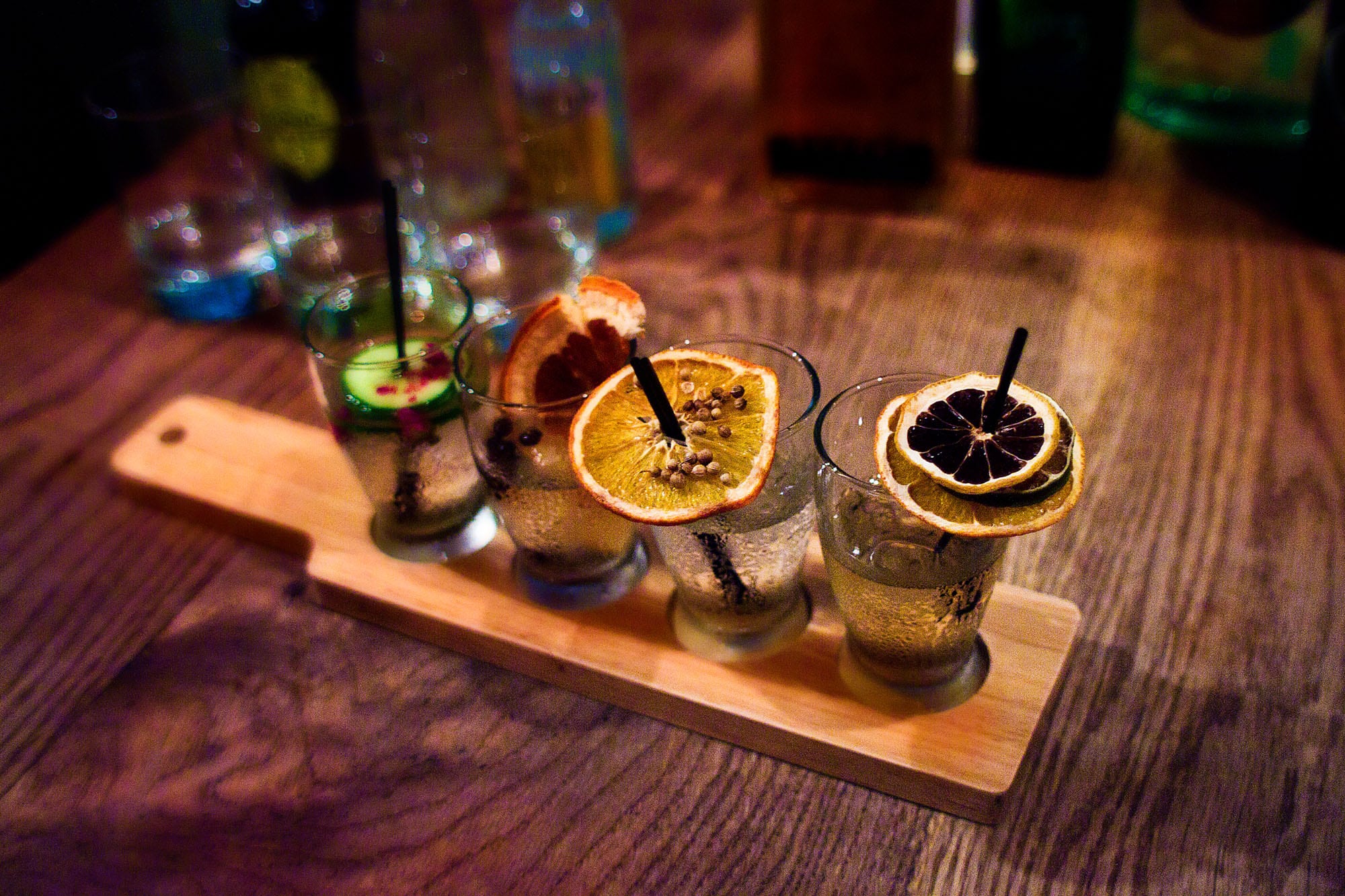
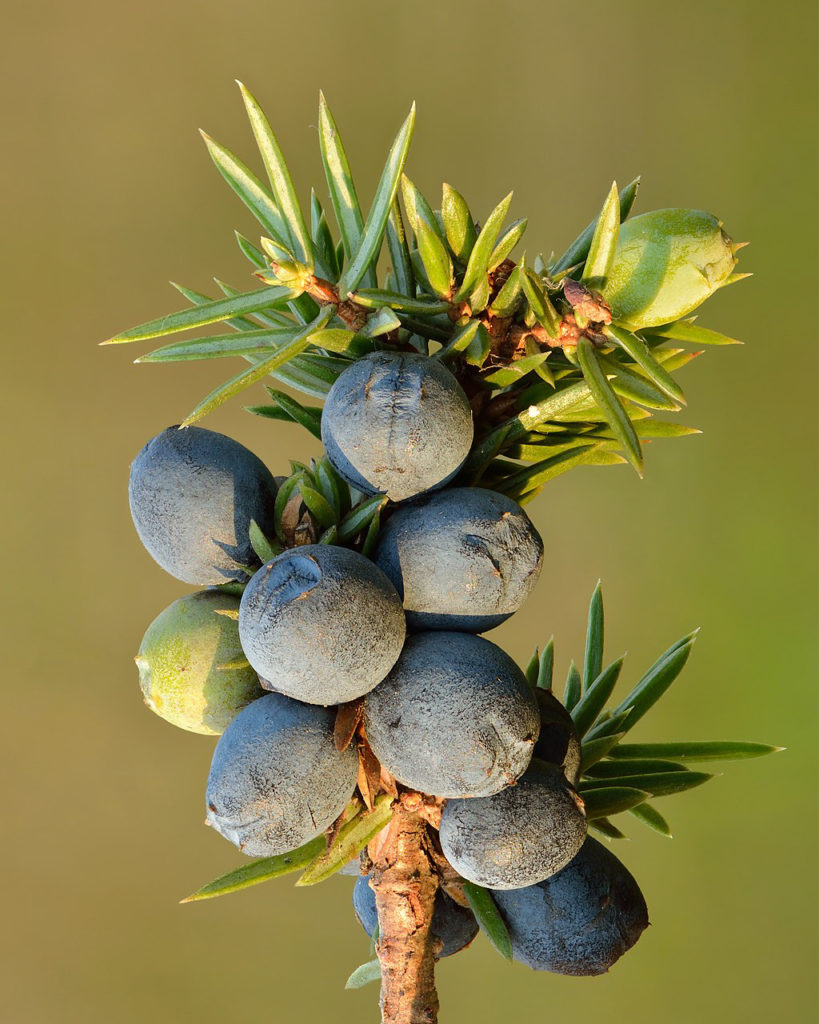
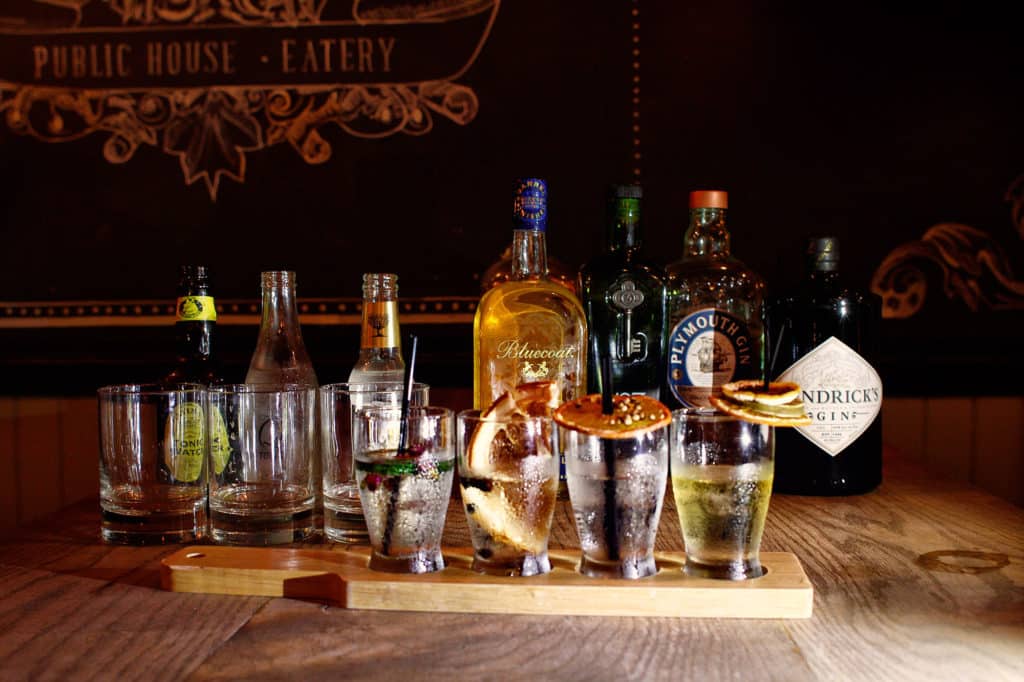
New York has never had a shortage of bars that look good in low light. What separates a genuinely stylish gin bar from a room that simply knows how to pose for a photo is harder to pin down. It is usually a mix of confidence and restraint. The back bar is curated instead of crowded. The martini glass is cold enough to matter. The tonic is chosen for structure, not branding. The music does not fight the conversation. And somewhere in the room, often near the end of the bar, there is a bartender who can tell you why one London dry tastes clipped and bracing while another lands soft and floral.
That is the sort of place this city does very well, though not always in the obvious neighborhoods and not always with the loudest reputation. If you are searching for a great Gin Bar NYC experience, it helps to know that the best nights are not always found by chasing the newest opening. Sometimes they are tucked into hotel bars that understand old-school service. Sometimes they are in compact East Village rooms where the ice is cut properly and no one feels the need to explain gin to you like a lesson plan. Sometimes the style is all brass and velvet. Sometimes it is all white tile and technical precision.
The local advantage is knowing what kind of evening each room is built for. New York rewards specificity. A polished date night near Flatiron calls for one place. A pre-dinner cocktail in SoHo calls for another. A solo seat with a notebook and one immaculate martini is its own category entirely. If you want style without gimmick, and gin without lazy clichés about botanicals, here is how to think about the city’s best options.
What “stylish” actually means in a New York gin bar
Style in New York hospitality is often misunderstood as decoration. A bar can have antique mirrors, custom wallpaper, and a glorious marble counter and still feel generic five minutes after you sit down. The memorable places use design to support a point of view. The room, the glassware, the drinks program, and the service all pull in the same direction.
In a serious gin-focused setting, that usually means the menu is tighter than people expect. Instead of twenty sugary variations with cute names, you might see a disciplined martini section, a few highballs, a seasonal sour, and one or two house signatures that actually justify their ingredients. Stylish bars edit themselves. They do not need to perform abundance.
Service matters just as much. The best bartenders in these rooms know when to talk and when to disappear. If you are curious, they will happily walk you through the difference between a juniper-forward bottle and something more citrus-led or savory. If you are on a date and clearly not there for a seminar on distillation, they Gin Bar NYC will simply make your drink perfectly and keep the evening moving. That kind of judgment is a real luxury in this city.
Then there is the crowd. Stylish does not have to mean exclusive, but it usually means coherent. The room feels assembled rather than random. You notice people who seem to know why they came. That tends to produce better energy, especially in bars where gin is the star, because gin drinkers can be surprisingly particular. They care about dilution. They notice garnish choices. They often order a second round based on how the first one was handled.
The neighborhoods that deliver the strongest gin bar NYC nights
Manhattan still dominates the polished end of the category, though Brooklyn has become stronger in bars that pair design sensibility with quieter confidence. If your priority is classic glamour, Midtown and the hotel corridor remain useful terrain. The best hotel bars in the city understand ritual. They know how to welcome a walk-in, pace a room, and make a martini feel ceremonial instead of rushed. That is especially valuable when gin is involved, because gin-based classics punish careless technique.
Downtown offers a different energy. In SoHo, Nolita, and the West Village, you are more likely to find bars with a fashion-aware clientele and menus that balance tradition with a little experimentation. These are good neighborhoods for someone who wants atmosphere and polish without the corporate gloss that can flatten some Midtown rooms. The best downtown spots usually get one detail very right, whether that is a freezer-cold martini service, an unusually deep selection of tonic pairings, or glassware chosen with uncommon intelligence.
The East Village and Lower East Side are better if you like your expertise with less ceremony. Some of the city’s smartest cocktail people work in small rooms there, and gin often gets particularly thoughtful treatment. The style tends to be subtler. You may not get the sweeping banquettes or grand floral arrangements, but you can get a near-perfect drink, a conversation with someone who really knows the back bar, and a crowd that values substance over scene.
Brooklyn, especially Williamsburg, Greenpoint, and parts of Cobble Hill, has matured into a strong option for gin drinkers who care about room design and ingredient quality. Here, stylish often means less formal and more lived-in. Think warm wood, restrained playlists, handmade ceramics, and menus that nod toward seasonal produce without turning every cocktail into a salad. A good Brooklyn gin bar can feel more relaxed than Manhattan while still delivering serious standards.
The rooms worth seeking out, even if you choose by mood rather than by name
The city’s most satisfying gin experiences often fall into a few recognizable types. Knowing the type helps you choose better than memorizing a long list of addresses.
There is the grand classic room, usually in a hotel or landmark space, where the martini is the central text and gin is treated with reverence. These bars tend to work best early in the evening, before the after-work surge or weekend noise level climbs. Arrive around six if you can. Sit at the bar rather than a table. Watch how many movements it takes the bartender to build a martini. In the best rooms, there is almost no wasted motion.
There is the intimate cocktail bar with a gin spine, where the room might only seat a few dozen and the menu quietly reveals that the bar team has a real affection for the spirit. These are ideal if you want to drink beyond the obvious. You may find a martinez with real depth, a white negroni that has been tuned rather than merely assembled, or a seasonal drink that uses herbs in a way that complements gin instead of masking it.
There is the design-forward newcomer, where the lighting, playlist, and menu language all know exactly what audience they are trying to attract. Some of these places are excellent. Others spend more energy on visual identity than on balance in the glass. The easiest tell is the G&T. If a bar cannot make a gin and tonic that feels crisp, intentional, and fully chilled from first sip to last, it is unlikely to excel elsewhere.
Then there is the specialist or near-specialist, a bar that either stocks an unusually broad gin range or gives the category enough menu real estate that it becomes a genuine destination for gin drinkers. These places can be a gift if you like comparison tasting. They are also where staff recommendations matter most. A bartender who knows the collection can steer you toward a bottle you would never order blind.
How locals judge a gin bar in the first ten minutes
The first clue is temperature. A stylish gin bar respects cold. Martini glasses should not arrive warm from a shelf, tonic should be properly chilled, and stirred drinks should land with enough structure to stay precise for a few minutes rather than collapsing immediately. If you have ever paid Midtown prices for a martini that tasted tired halfway through the first conversation, you know how much this matters.
The second clue is garnish discipline. Too many bars treat garnish as decoration. In strong gin bars, garnish is flavor architecture. A lemon twist sharpens one kind of gin. Grapefruit can brighten another. A rosemary sprig can be lovely in the right highball and clumsy in almost anything else. When the garnish feels inevitable rather than trendy, someone behind the stick is paying attention.
The third clue is whether the bartender asks useful questions. “Do you have a preferred gin?” is helpful. “Do you want something more classic, citrusy, or savory?” is even better. What you do not want is a rigid script or a condescending explanation. The best professionals can read your level instantly and meet it.
I also watch what happens to the room around eight o’clock. A stylish bar should get livelier without getting frantic. If the service immediately loses shape when the seats fill, the experience can go downhill fast. New York bars are under real pressure, and a packed room is not a sin. But the best ones absorb that pressure gracefully.
The drinks to order if you want to understand the bar
A martini tells you almost everything. It reveals the house style, the quality of the ice and chilling, the confidence level with dilution, and whether the bar understands restraint. If you like very dry martinis, say so. If you want a 50/50, ask. A good bar should respond without hesitation. If a room is known for martinis, trust the house proportions first before making lots of modifications. You can always adjust on the second round.
The gin and tonic is the other truth serum. In many ways it is harder to fake excellence here because there is nowhere to hide. The tonic ratio has to be right. The carbonation has to be alive. The glass should suit the build. The garnish should connect to the chosen gin rather than appear because the kitchen had extra cucumber.
Negronis and white negronis are useful too, though they test a different skill. They show whether the bar can balance bitterness without bludgeoning the palate. In bars with stronger European sensibilities, you often see more finesse here. The proportions are rarely accidental.
If the menu offers a seasonal gin sour or Collins variation, that can be a smart third choice, particularly in spring and summer. Gin handles herbs, citrus, and delicate fruit better than many spirits, but only when the ingredients are treated carefully. Overworked egg white, muddy basil, or aggressive syrups can flatten the spirit completely.
When to go, where to sit, and how to avoid common disappointments
Timing shapes the whole experience in New York. If you care about style and service, do not show up at the exact peak unless the bar is built for volume. A lot of elegant gin bars are at their best between opening and around seven-thirty, when the room has atmosphere but the staff still has time to guide a drinker toward something special.
Late nights can be rewarding in a different way. A seat after ten on a weekday sometimes gives you a more relaxed bartender, a looser pace, and a room that has settled into itself. This is when you can ask a deeper question about the gin selection without feeling like you are interrupting triage.
Where you sit matters. At the bar, you gain access to the choreography and the judgment of the staff. In a truly polished room, that is part of the pleasure. Tables make more sense if you are with a group, but gin drinks, especially martinis and highballs, are often best appreciated when they arrive directly to hand instead of crossing the room.
Reservations are helpful at destination bars, though they can also place you at tables when what you really want is the bar rail. If a venue accepts reservations but keeps some walk-in bar seats, that is often the ideal setup. I have had better gin bar nights in New York by arriving fifteen minutes before opening than by booking a prime-time table weeks in advance.
A few practical habits that improve the night
If you want the bartender’s best thinking, give them something to work with. Saying “I like Beefeater martinis but I’m open to something a little softer” is much more useful than saying “I want something fun.” Good bars can accommodate both, but precision helps.
Here are the only questions I think are always worth asking in a serious gin-focused room:
- Which gin on your back bar surprises people the most?
- Do you have a martini spec you’re especially proud of?
- What garnish do you prefer with that gin, and why?
- Is there a house drink that really shows your style rather than just the season?
- If I’m ordering a second round, what should I try next to contrast the first?
Those questions invite expertise without turning the interaction into a test. Most professionals respond well to genuine curiosity.
It also helps to understand the trade-offs. The most atmospheric room may not have the deepest gin list. The most technically precise bar may feel a little cool emotionally. The bar with the strongest house signatures may not be where you want a textbook martini. A local does not expect one place to do everything. The trick is choosing the right room for the kind of evening you want.
Stylish does not always mean expensive, but quality rarely comes cheap
New York pricing can make anyone feel skeptical, and for good reason. A high-end gin cocktail can easily run into the low or mid-twenties in central Manhattan, with hotel bars often sitting at the top of the range. That does not automatically mean the bar is overpriced. Rent, staffing, glassware breakage, and ingredient quality are all real costs in this city. What matters is whether the experience earns the price.
A well-made martini in an excellent room can feel worth it because every detail supports the drink. You are paying for cold storage, skilled labor, a proper pour, and an environment designed to let the drink shine. What feels wasteful is spending nearly the same amount in a room where the glass is warm, the garnish is sloppy, and the music makes conversation work harder than it should.
If you are trying to keep the spend reasonable, two approaches work well. Go earlier, when one great drink can anchor the start of the night before dinner elsewhere. Or focus on bars where the house G&T is taken seriously. A beautifully built gin and tonic can be one of the best values in a serious cocktail room.
The style cues that matter more than the décor
Décor photographs well, but ritual is what people remember. I think about the bars where the bottle and glass are handled with care, where the first sip arrives at the exact temperature you hoped for, and where the bartender notices when you are deciding between another round and the check. That is style in the real sense, not just the visual one.
Some of the most polished Gin Bar NYC experiences are in rooms that are not trying to dominate your attention. Their confidence shows in smaller choices. The menus are readable in dim light. The stools are comfortable enough for a second drink. The water appears before you ask. If the bar uses a frozen glass, it is not icy to the point of punishing aroma. If the room uses scent, it does so subtly enough not to fight with citrus oils and juniper.
There is also the matter of sound. The best gin bars in New York understand that volume is part of flavor perception, whether they use that language or not. A room that lets you smell the lemon twist and hear your companion easily is a room that improves the drink. This is one reason some glamorous bars disappoint in practice. They look finished but sound chaotic.
For dates, solo drinking, and small groups, choose differently
A date night gin bar should flatter conversation. That usually means side-by-side seating at the bar or a two-top with enough intimacy to create a private pocket without making the room feel dead. Good lighting matters more than people admit. You want faces to look warm, not theatrical. Menus should not need phone flashlights. A house martini service or a graceful G&T ritual can be genuinely romantic because it creates shared attention without forcing it.
For solo drinking, the ideal gin bar has staff who are attentive but not intrusive. You want a room where ordering a martini and a small plate alone feels natural, not like you are waiting for someone who canceled. Hotel bars can be excellent for this. So can compact downtown cocktail bars where solo guests at the rail are part of the culture. Bring a book if you like, but in the best places you Gin Bar NYC may end up watching the room instead.
Small groups need a different setup. Once you move past four people, the most stylish bars can become awkward unless they are designed with flexible seating. A gin-forward lounge with booth seating often works better than a narrow bar room where half the group cannot hear the other half. If the gathering matters, call ahead and ask for guidance. Serious hospitality people appreciate guests who think about fit.
The bars you remember are the ones with point of view
The memorable New York gin bars are not necessarily the ones with the biggest inventory or the flashiest rooms. They are the ones with a point of view strong enough to shape your night. You remember the bar where the bartender steered you from your usual martini into a more aromatic gin and got it exactly right. You remember the room where a simple gin and tonic arrived in perfect balance and somehow tasted like a better version of the city itself, brisk, bright, a little severe in the best way.
That is the pleasure of seeking out a stylish gin bar here. New York rewards standards. It rewards places that know what they are and execute with quiet nerve. If you approach the city with that in mind, you stop asking for the single best Gin Bar NYC destination and start choosing the right bar for the right mood. That is a much more local way to drink, and almost always the more satisfying one.
The Winslow
243 E 14th St
New York, NY 10003, United States
Phone: +1 212-777-7717
FAQ About Gin Bar NYC
How to do a gin tasting?
Start with a small pour and gently smell the gin before taking a small sip. Notice its juniper, citrus, floral or spice notes, then compare how the flavor changes with a little water or tonic. At a gin bar, ask the bartender to explain the selection and botanical pairings.
How to make the best tasting gin and tonic?
Use chilled gin, fresh tonic and plenty of ice. A common starting ratio is one part gin to two parts tonic, adjusted to taste. Choose a garnish that complements the gin's botanicals and stir gently to preserve the bubbles.
What is the smoothest tasting gin?
There is no single smoothest gin for everyone. Perceived smoothness depends on the botanical recipe, alcohol strength, serving temperature and mixer. Describe whether you prefer citrus, floral, herbal or juniper-forward flavors so a bartender can suggest a suitable style.