Bar With Private Room NYC Tips for Curating the Perfect Drink Menu
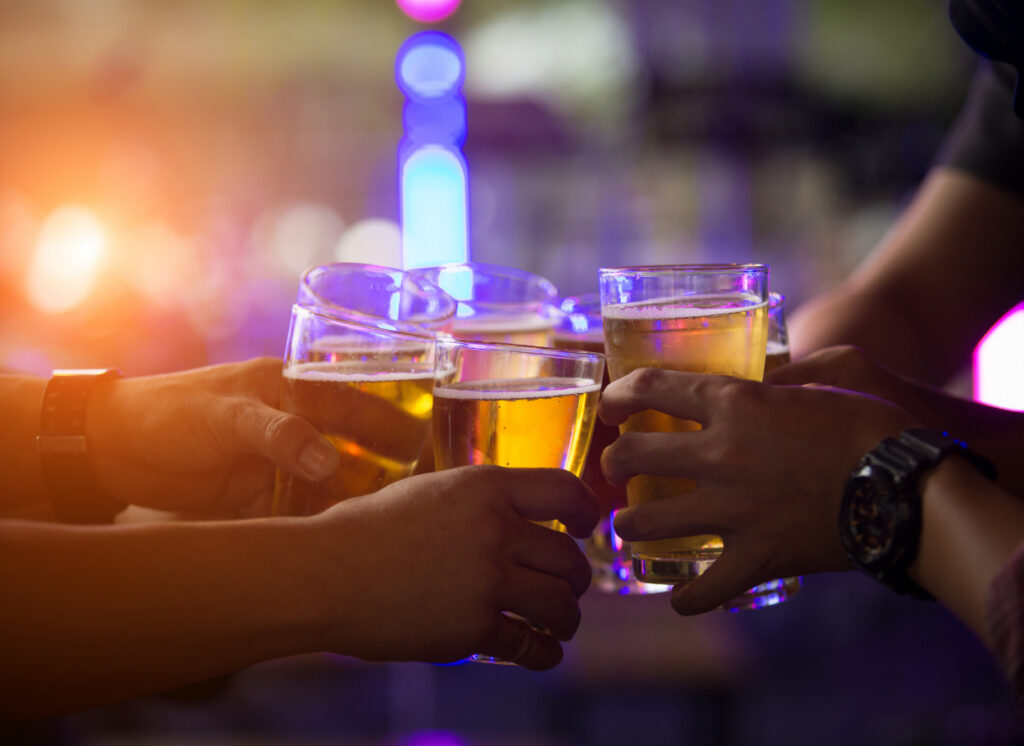
A private event lives or dies on the details people remember two days later. They may forget the floral arrangement, the exact playlist, even the speech that ran a little long. They rarely forget the first drink that set the mood, or the one that arrived at exactly the right moment when the room finally relaxed. If you are booking a Bar With Private Room NYC for a birthday, client dinner, rehearsal party, team gathering, or brand event, the drink menu deserves more thought than a generic open bar package and a shrug.
New York makes this both easier and harder. Easier because the city has deep talent behind the bar, excellent distributors, and guests who appreciate good drinks. Harder because expectations are high, costs move fast, and every private room has its own limits. Some spaces can execute a polished cocktail program with speed. Others look glamorous but struggle the minute 40 people all order espresso martinis at once.
The best menus are not built around trend chasing. They are built around the room, the crowd, the timing, and the actual mechanics of service. A smart host understands that curation is partly taste, partly operations, and mostly judgment.
Start with the event, not the cocktail list
The most common mistake I see is choosing drinks before defining the event itself. A private engagement party from 7 to 10 p.m. Behaves differently than a holiday buyout that starts at 5:30, or a late birthday gathering where guests drift in after dinner. Even in the same Bar With Private Room, the right menu changes dramatically depending on how people will use the space.
If the event is networking-heavy, drinks need to be easy to order, easy to hold, and fast to replenish. Nobody wants to balance a smoking cloche cocktail while shaking hands. If it is a seated celebration with speeches, the pacing matters more than novelty. If there is dancing later, the menu should evolve from lighter aperitif-style drinks into simpler crowd-pleasers that can move quickly.
Guest profile matters just as much. A room full of cocktail enthusiasts will welcome a house Manhattan variation, a clarified milk punch, or an amaro-forward spritz. A mixed-age family event often does better with recognizable anchors and one or two interesting twists. Corporate groups usually split down the middle: some guests want something polished but familiar, while others order vodka soda all night and do not want a lecture about vermouth.
This is where a good venue partner earns its keep. When you ask the events manager or beverage director the right questions, you quickly learn whether the menu you imagine can actually be delivered at speed, at volume, and at the quality level your guests expect.
Know what the room and bar can realistically handle
A beautiful private room does not guarantee a high-functioning beverage setup. In New York, many private spaces sit one step removed from the main bar. Some have a dedicated satellite station. Some rely on barbacks shuttling drinks from the main well. Some are ideal for wine and simple cocktails but get buried by custom shaken orders.
Before finalizing any menu, ask how drinks are physically produced and served in that room. That answer shapes everything.
A few practical questions tell you a lot:
- Is there a dedicated bartender for the private room, or will staff rotate from the main bar?
- Can the room support draft beer, chilled glassware, and proper ice storage?
- How many custom cocktails can be served quickly if 25 guests arrive at once?
- Are batched cocktails available, and if so, how are they held and poured?
- What happens if the event runs long and guest count exceeds the original estimate?
That last question matters more than hosts realize. New York parties tend to swell. Someone brings a partner, coworkers stay longer, a dinner group rolls in after another reservation. A menu that works elegantly for 30 can strain badly at 50 if the bar plan is too precious.
I once watched a well-designed launch event lose its rhythm because the host insisted on four labor-intensive signature cocktails in a compact private room with one bartender and limited prep space. The first 45 minutes became a line management exercise. Guests started defaulting to wine just to get something in hand. The signatures were delicious, but the service design was wrong for the room.
Build around balance, not sheer variety
Hosts often believe a better menu means a longer menu. Usually the opposite is true. A focused selection creates better service, cleaner decision-making, and a more confident experience for guests. At a Bar With Private Room NYC, especially one with limited bar real estate, restraint is a virtue.
The strongest private event menus tend to offer enough choice to satisfy different drinkers without forcing the venue into operational chaos. A useful target is to cover the main lanes: something bright and refreshing, something spirit-forward, something wine-based or sparkling, a low or no-alcohol option, plus the familiar backstops people always ask for.
That structure serves multiple kinds of guests without feeling generic. It also gives the bartender a chance to execute each drink well. When the menu is too sprawling, quality slips. Citrus sits too long, modifiers get mis-measured, and staff spend too much time explaining options instead of moving service.
Bar With Private Room NYCIf you want signature drinks, limit the number. Two is often the sweet spot. Three can work for larger events with a strong bar team. Beyond that, the signatures stop feeling curated and start feeling like a testing menu.
The smartest cocktail choices for private events
Not every excellent cocktail belongs on a private event menu. The best choices are drinks that taste composed and memorable while still performing under pressure.
Stirred cocktails generally hold up well because they can often be batched cleanly and poured with consistency. Martinis, Manhattans, Negroni variations, and old fashioned riffs can work beautifully if the venue handles dilution and temperature correctly. Highballs are another strong category. A well-built gin and tonic variation, a tequila soda with citrus and saline, or a whiskey highball feels elegant without slowing the room down.
Sours and shaken citrus drinks require more caution. They can be terrific, but only if staffing supports them. If your crowd skews toward margaritas, daiquiris, or espresso martinis, plan accordingly. These drinks create predictable spikes because guests tend to order them in clusters. The issue is not whether the bartender can make one excellent version. The issue is whether they can make twenty in eight minutes.
Spritzes deserve special mention. They are ideal for many private events because they look festive, drink easily, and fit a range of seasons with minor adjustments. Yet not every spritz belongs in every room. The right one for a summer rooftop gathering may feel thin and forgettable in a dim winter lounge. Season, lighting, and the tone of the event all influence whether a drink reads as chic, casual, or misplaced.
Seasonal thinking should go beyond garnish
Seasonality in drinks is often reduced to garnish theater. A sprig of rosemary in December, a cucumber ribbon in June, and everyone calls it seasonal. Real seasonal curation goes deeper. It considers flavor appetite, room temperature, guest energy, and what people naturally want to drink in that particular slice of the calendar.
In colder months, guests in New York usually respond well to drinks with body and structure. Brown spirits, fortified wine, spice notes, roasted citrus, and richer textures feel appropriate, especially for evening events. That does not mean every menu should turn into a whiskey parade. It means a private room in January can carry a boulevardier variation, a pear and rye drink, or a sherry cobbler with more confidence than a thin watermelon spritz.
Spring and summer call for precision. Lighter does not mean bland. A good warm-weather menu brings acidity, salinity, herbs, bubbles, and enough backbone that drinks still taste like cocktails instead of flavored water. This matters in a Bar With Private Room setting because the room itself may warm up quickly once guests arrive. A drink that seemed balanced at the tasting can feel heavy or cloying after an hour in a crowded event.
Fall is a tricky season because hosts often overcorrect into cinnamon and apple by reflex. Better autumn menus use texture and subtle warmth rather than dessert cues. Think amaro, orchard fruit used sparingly, pepper, fig, walnut, and sparkling wine with depth.
Price the menu with your eyes open
Private event drink budgets in New York can move fast, especially when hosts rely on assumptions instead of math. A flat bar package may look expensive at first glance but can provide useful cost control. A consumption bar can save money for shorter or lighter events, yet it can also surprise you if the crowd drinks hard and orders premium pours.
The real decision is not open bar versus cash bar. It is how much variability you can tolerate and what kind of guest experience you want to create.
A few patterns are worth noting. Signature cocktails often improve budget control because they channel demand into drinks the venue can batch and price predictably. Straight premium pours, by contrast, can balloon the bill with very little sense of occasion. Wine selection matters too. Guests notice bad wine more quickly than hosts expect, particularly at seated dinners and business events. Spending a little more for competent, food-friendly wine usually pays off in perceived quality.
If your budget is fixed, say so early. A good events manager can shape the menu around that number. They may suggest swapping one costly spirit, limiting top-shelf upgrades, tightening the sparkling selection, or using a welcome drink strategy. A passed first cocktail can create generosity and momentum, after which the bar menu can become simpler and more controlled.
Guests want familiarity, but they also want a point of view
There is a delicate line between an accessible menu and a forgettable one. When hosts play it too safe, the event feels interchangeable. When they chase originality too hard, guests retreat to vodka soda.
The answer is usually to anchor the menu in recognition and then layer in personality. If the event has a clear theme, a cultural connection, or a host with known preferences, use that as seasoning, not as a costume. A wedding after-party can borrow a drink from the couple's first date spot. A client event in Manhattan might nod to classic New York cocktail history through one polished house Martini and a proper Manhattan variation. A birthday menu can riff on favorite flavors without turning every drink into a pun.
This is especially effective in a Bar With Private Room NYC because guests already feel they are getting a curated environment. The drink menu should extend that feeling, not compete with it. You want people to say, "That was exactly right for the night," not, "I appreciate what they were trying to do."
Do not neglect the nonalcoholic program
A weak zero-proof option sends an immediate message, and not a good one. Too many private event menus still treat nonalcoholic drinks as an afterthought, offering soda water with lime and perhaps one syrupy mocktail that tastes like melted candy.
A proper nonalcoholic offering should have the same design logic as the main menu. It needs balance, aroma, acidity, texture, and visual dignity. It also needs placement. If the zero-proof drink appears as a tiny footer beneath twelve alcoholic options, guests read the hierarchy instantly.
This matters for more than abstainers. At many events, people alternate between alcoholic and nonalcoholic drinks to pace themselves. Others may start alcohol-free and switch later. A thoughtful menu helps the room stay lively longer because not every guest is hitting the same boozy wall at the same time.
Some of the best private event zero-proof drinks borrow from aperitif structure: bitter citrus, tea, tonic, verjus, herbs, saline, ginger, or sparkling elements. They feel adult and social. They also photograph well, which hosts care about more than they always admit.
Pair the drinks with the food, or at least avoid conflict
If food is part of the event, the drinks cannot be chosen in isolation. Heavy passed hors d'oeuvres, spicy small plates, raw bar selections, or rich dinner courses all change what guests enjoy in the glass.
This does not require formal pairing language. It does require common sense. If the food is salty and fried, crisp sparkling wines and bright highballs shine. If there is a lot of spice or heat, high-proof spirit-forward cocktails may dominate in the wrong way. If dinner is substantial, guests often want a cleaner first hour of drinking so they do not fatigue their palate before the meal.
One of the most practical things a host can do is request a tasting with both food and drink in mind, even informally. When that is not possible, ask the venue what cocktails have worked well with similar menus in the past. Good operators remember these patterns.
Timing changes how people drink
A drink menu should move with the event arc. Early-arriving guests usually welcome something easy and bright. Once the room fills in and conversation deepens, more structured drinks can succeed. Later in the night, speed and familiarity win again.
You do not have to print multiple menus to reflect that. Sometimes the best move is operational rather than visual. Start with a passed welcome drink or two, then open the bar to a concise menu once most guests have arrived. Another effective tactic is to feature a celebratory sparkling option at the beginning and reserve espresso martinis, neat pours, or late-night favorites for the last stretch.
When hosts ignore pacing, they often overserve the wrong drinks at the wrong time. Four rounds of potent stirred cocktails in the first ninety minutes can flatten the rest of the night. So can launching with only low-acid wine in a warm, crowded room where guests really needed something crisp and cold.
A short menu framework that works in real life
When clients ask me what a balanced private event menu actually looks like, I usually point them toward a structure like this, adjusted for season and audience:
- one welcome drink with broad appeal, often sparkling or highball-style
- two signature cocktails, one light and one spirit-forward
- two wines, usually one white and one red, or one white and one sparkling
- one beer option if the crowd wants it
- one serious nonalcoholic drink, plus basics like sparkling water
That is enough range for most events from 25 to 80 guests. Beyond that, additions should earn their place. If a second zero-proof drink serves the crowd, add it. If beer will barely move, skip it and improve the wine. If the room is martini-leaning, elevate that lane instead of forcing a tequila spritz just because it is fashionable.
Work closely with the bartender, not just the sales contact
The events coordinator is essential, but the bartender or beverage manager often sees problems the sales side does not. Whenever possible, involve the person who will design or execute the menu. They know which cocktails can be pre-batched without losing integrity, which glassware causes bottlenecks, which spirits overperform for mixed groups, and which drinks look great on paper but stall service in practice.
This conversation also helps with language. Menu wording matters. Guests order more confidently when names and descriptions are clear. A private event is not the place for opaque cocktail poetry. "Gin, fino sherry, elderflower, lemon" works better than a title and no explanation. At the same time, avoid over-describing every ingredient down to the tincture. You are guiding decisions, not writing a lab sheet.
I have seen hosts transform a mediocre draft menu simply by asking one question: "What are your guests most consistently happy with in a bar with back room NYC room like this?" Not the trendiest drink, not the bartender's personal favorite, but the one that lands again and again under real event conditions. That answer is often more useful than a dozen aspirational ideas.
Final checks before you sign off
A polished menu comes from editing. Before approving the final version, step back and test it against reality. Does it suit the season? Does it fit the food? Can it be executed at peak arrival time? Is there an option for the guest who wants something easy, and another for the guest who cares about craft? Does the pricing structure align with how your group actually drinks?
Most importantly, ask whether the menu feels like the event you are hosting. The right drink selection should support the room's purpose, not distract from it. At the best Bar With Private Room NYC venues, the menu acts like good lighting. Guests may not praise it in technical terms, but they feel the effect instantly. The night starts smoothly, people settle in, and the room takes on that rare quality every host wants: ease.
That ease is not accidental. It is curated, one smart pour at a time.
The Winslow
Address: 243 E 14th St, New York, NY 10003
Phone number: +12127777717
FAQ About Bar With Private Room NYC
Which bars in NYC offer private rooms?
Many bars in New York City offer private and semi-private rooms for parties and events, ranging from hidden basement speakeasies to upscale lounge spaces. Top options include The Back Room on the Lower East Side, Dear Irving Gramercy, Pebble Bar in Midtown, Mister Paradise in the East Village, and The Winslow in the East Village.
What is a private room in a pub called?
A small, private seating area or partitioned booth in a traditional pub is most commonly called a snug. Larger private rooms used for events, parties, or dining are typically referred to as private dining rooms, function rooms, or back rooms.
How much does a 2 hour open bar cost?
A 2-hour open bar generally costs between $15 and $45 per person, depending heavily on the quality of alcohol you choose. For a standard group of 100 guests, this translates to an overall cost of $1,500 to $4,500 before taxes, setups, and staff gratuities.